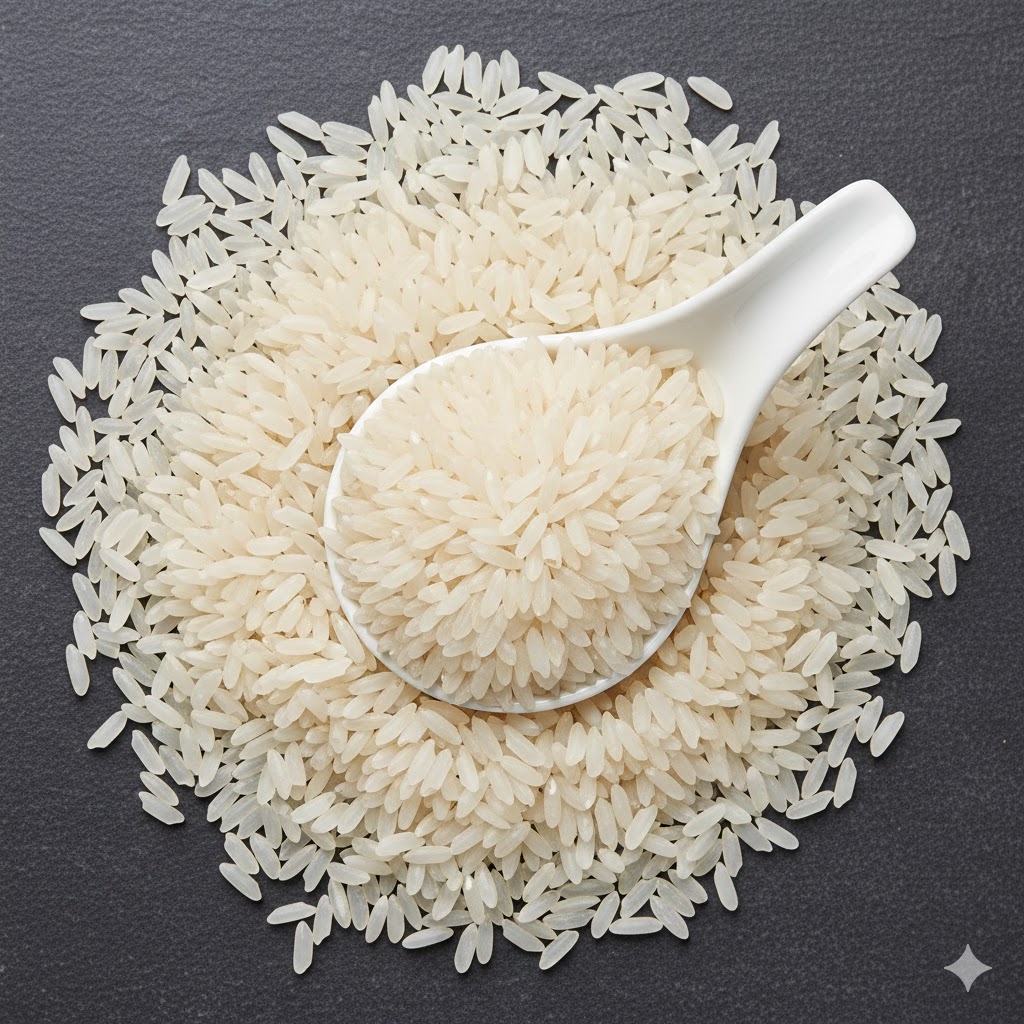
Rice
Oryza sativa
Also known as: Rice, Khao
Rice (Khao)
Rice, called ""Khao"" in Thai, is the foundation of every Thai meal. The word for ""rice"" and the word for ""meal"" are nearly the same in Thai - to ask if someone has eaten is to ask if they have eaten rice.
Thailand is one of the world's leading rice producers, and Thai jasmine rice is renowned worldwide for its delicate aroma, soft texture, and gentle natural sweetness.
Selection & Characteristics
Thailand grows several rice varieties: jasmine (the everyday rice), sticky rice (for the north and northeast), riceberry (a purple-black antioxidant variety), and brown rice for healthy options.
Rinse rice 2-3 times before cooking until the water runs clearer - this removes excess starch and helps the grains stay separate when cooked.
Flavor Profile
Thai jasmine rice tastes mildly sweet with a delicate floral aroma reminiscent of pandan and fresh popcorn. The texture is soft yet distinct - never sticky or mushy.
The aroma when freshly cooked is one of the most distinctive scents in any Thai kitchen - a soft, sweet steam that signals the meal is ready.
Common Uses
Rice is paired with virtually every Thai savory dish, including:
""All Curries"" (Gaeng Keow Wan, Massaman, Panang)
""Stir-Fries"" (Pad Krapow, Pad See Ew)
""Khao Pad"" (Thai Fried Rice, made from leftover rice)
It is also the foundation of Thai congee (Khao Tom) and rice soup breakfasts.
Storage & Usage Tips
Store uncooked rice in an airtight container in a cool, dry place for up to 1 year
Refrigerate cooked rice within 1 hour and use within 2 days
Day-old chilled rice makes the best fried rice - drier grains stay separate in the wok
- •Store dry and keep the lid tightly closed. Moisture is often the biggest enemy of flavor and shelf life.