Ingredients
Explore Thai herbs, spices, vegetables, pastes, and essentials. Learn about authentic ingredients used in Thai cooking.
Showing 292 ingredients
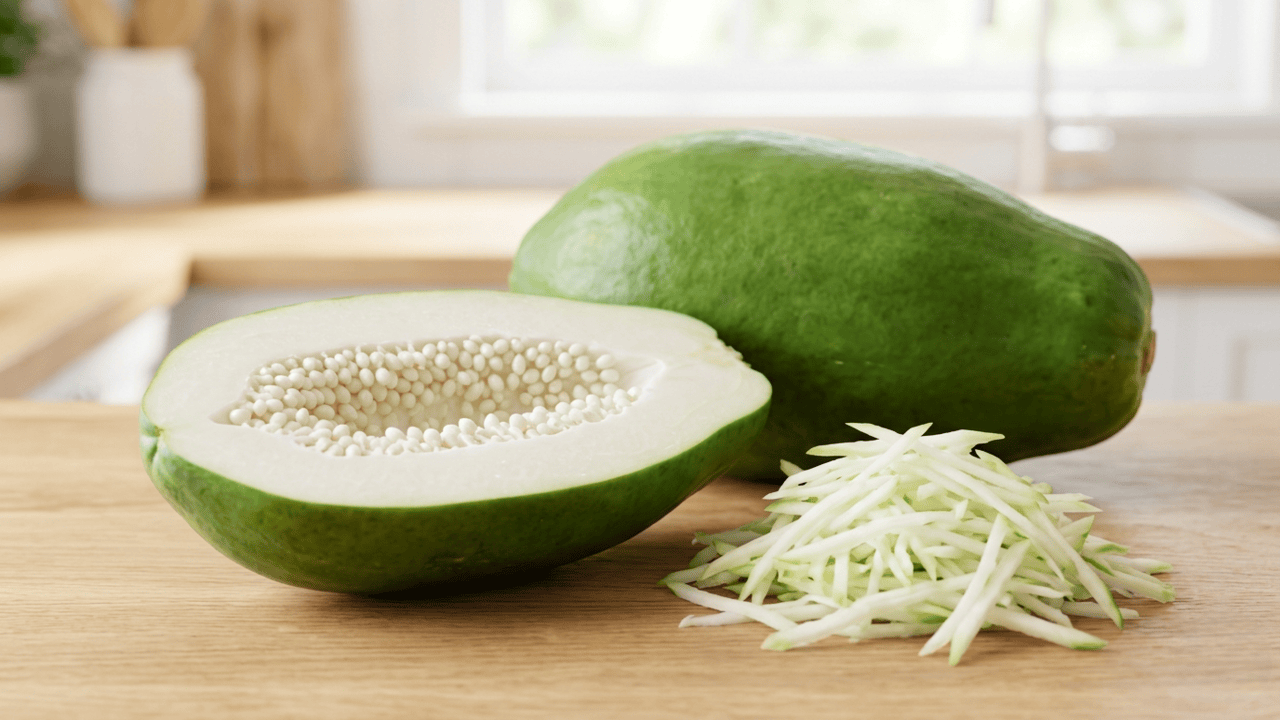
Green PapayaGreen Papaya is a crisp, neutral fruit vegetable made for bold salads. It is valued in Thai kitchens for the way it adds texture, balance, and freshness to a dish without taking over the plate.It is especially useful when you want a vegetable that can carry seasoning well while still keeping its own character on the plate.Selection & CharacteristicsChoose pieces that are firm, glossy, and evenly colored. Avoid soft spots or wrinkled skin, because fresh texture is the whole point here.Fresh pieces should feel lively and clean, with a scent that matches the ingredient rather than anything dull or sour.Flavor ProfileThe flavor is usually mild, slightly sweet, and juicy, with a clean aroma that becomes richer when cooked. It gives dishes a soft, comforting body without overwhelming the sauce.That makes it easy to pair with chili, garlic, coconut, fish sauce, or fermented seasonings depending on the dish.Common UsesIt is often used in curries, stir-fries, soups, salads, and simple braises.It works especially well in everyday cooking because it can be quick-cooked, layered into broth, or added near the end for brightness.Storage & Preparation TipsStore in a cool place or refrigerate depending on ripeness and variety. Keep cut pieces covered, and cook gently so the flesh stays intact.Prep it close to cooking time for the best texture.Keep the cut surfaces covered if the ingredient browns or dries quickly.Use gentle heat when you want the natural shape to stay intact.
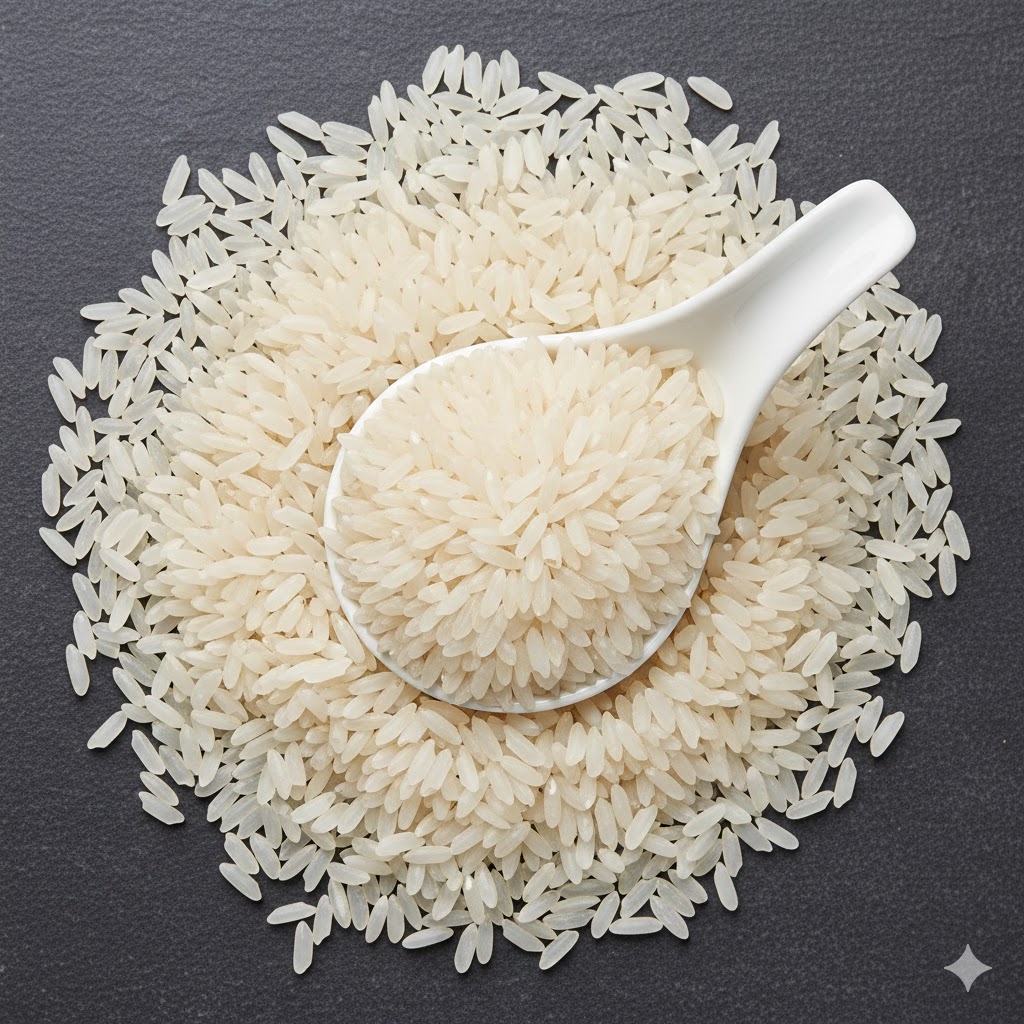
Rice (Khao)Rice, called ""Khao"" in Thai, is the foundation of every Thai meal. The word for ""rice"" and the word for ""meal"" are nearly the same in Thai - to ask if someone has eaten is to ask if they have eaten rice.Thailand is one of the world's leading rice producers, and Thai jasmine rice is renowned worldwide for its delicate aroma, soft texture, and gentle natural sweetness.Selection & CharacteristicsThailand grows several rice varieties: jasmine (the everyday rice), sticky rice (for the north and northeast), riceberry (a purple-black antioxidant variety), and brown rice for healthy options.Rinse rice 2-3 times before cooking until the water runs clearer - this removes excess starch and helps the grains stay separate when cooked.Flavor ProfileThai jasmine rice tastes mildly sweet with a delicate floral aroma reminiscent of pandan and fresh popcorn. The texture is soft yet distinct - never sticky or mushy.The aroma when freshly cooked is one of the most distinctive scents in any Thai kitchen - a soft, sweet steam that signals the meal is ready.Common UsesRice is paired with virtually every Thai savory dish, including:""All Curries"" (Gaeng Keow Wan, Massaman, Panang)""Stir-Fries"" (Pad Krapow, Pad See Ew)""Khao Pad"" (Thai Fried Rice, made from leftover rice)It is also the foundation of Thai congee (Khao Tom) and rice soup breakfasts.Storage & Usage TipsStore uncooked rice in an airtight container in a cool, dry place for up to 1 yearRefrigerate cooked rice within 1 hour and use within 2 daysDay-old chilled rice makes the best fried rice - drier grains stay separate in the wok
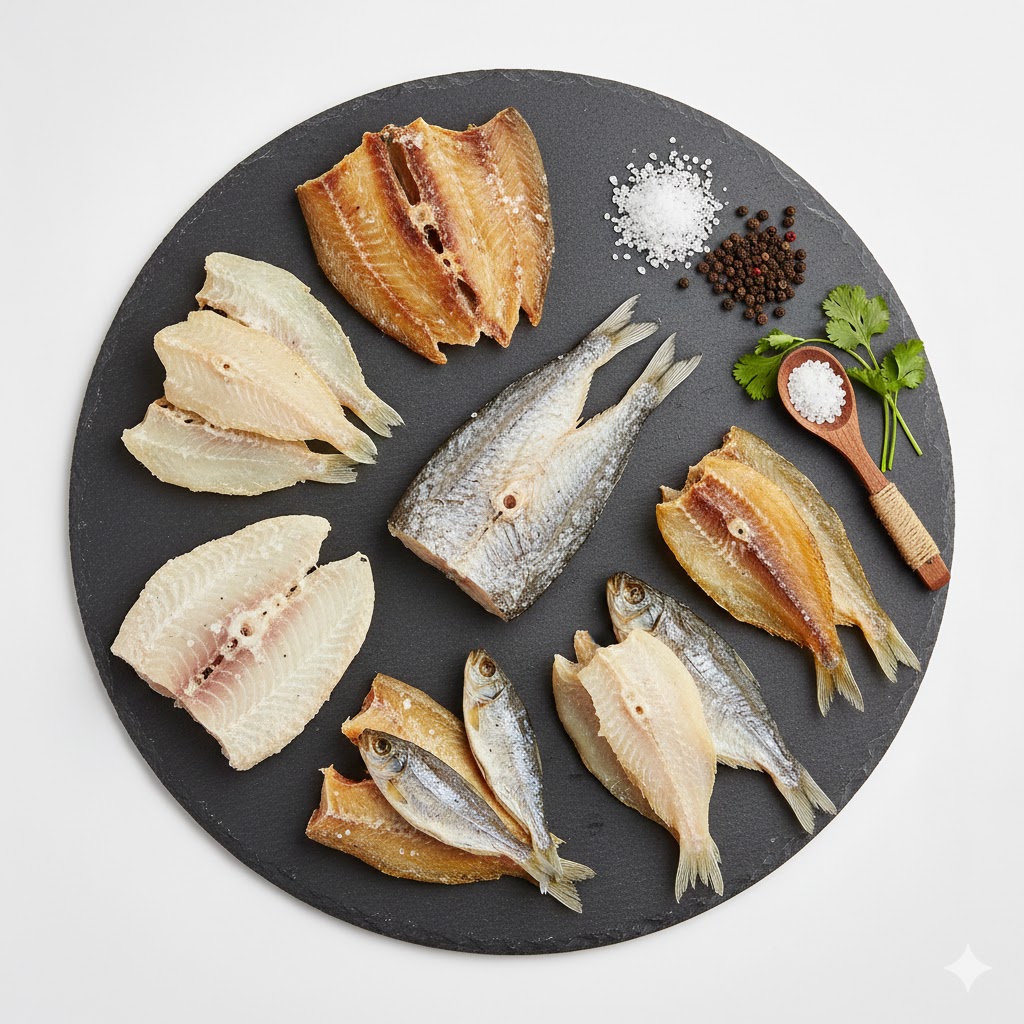
Dried Fish (Pla Haeng)Dried Fish, called ""Pla Haeng"" in Thai, is fish sun-cured to remove moisture and concentrate flavor. The result is firm, intensely savory, and packed with deep umami.It is a classic preservation method along Thailand's coasts and rural areas, providing protein-rich meals long after the catch.Selection & CharacteristicsChoose dried fish that is firm, lightly translucent, and free of dark spots or strong off-smells. Sun-dried varieties have a more concentrated flavor than commercially dried.Soak briefly in water before cooking if very salty, then pat dry. Quick frying gives a crispy outside while keeping a tender interior.Flavor ProfileThe flavor is intensely savory, deeply salty, and packed with concentrated fish umami. A small amount goes a long way and transforms simple rice into a meal.The aroma is bold and oceanic - briny, slightly funky, and unmistakably fishy. When fried, it fills the kitchen with the scent of Thai countryside cooking.Common UsesDried fish is used in many Thai dishes, including:""Khao Tom Pla Haeng"" (Rice Soup with Dried Fish)""Pad Pla Haeng"" (Stir-fried Dried Fish with Garlic)""Som Tum Pla Haeng"" (Papaya Salad with Crispy Dried Fish)It also tops plain rice porridge and adds depth to fried rice.Storage & Usage TipsWrap tightly and refrigerate for up to 1 month, or freeze for 3-6 monthsSoak briefly to reduce saltiness if too intenseUse sparingly - flavor is highly concentrated
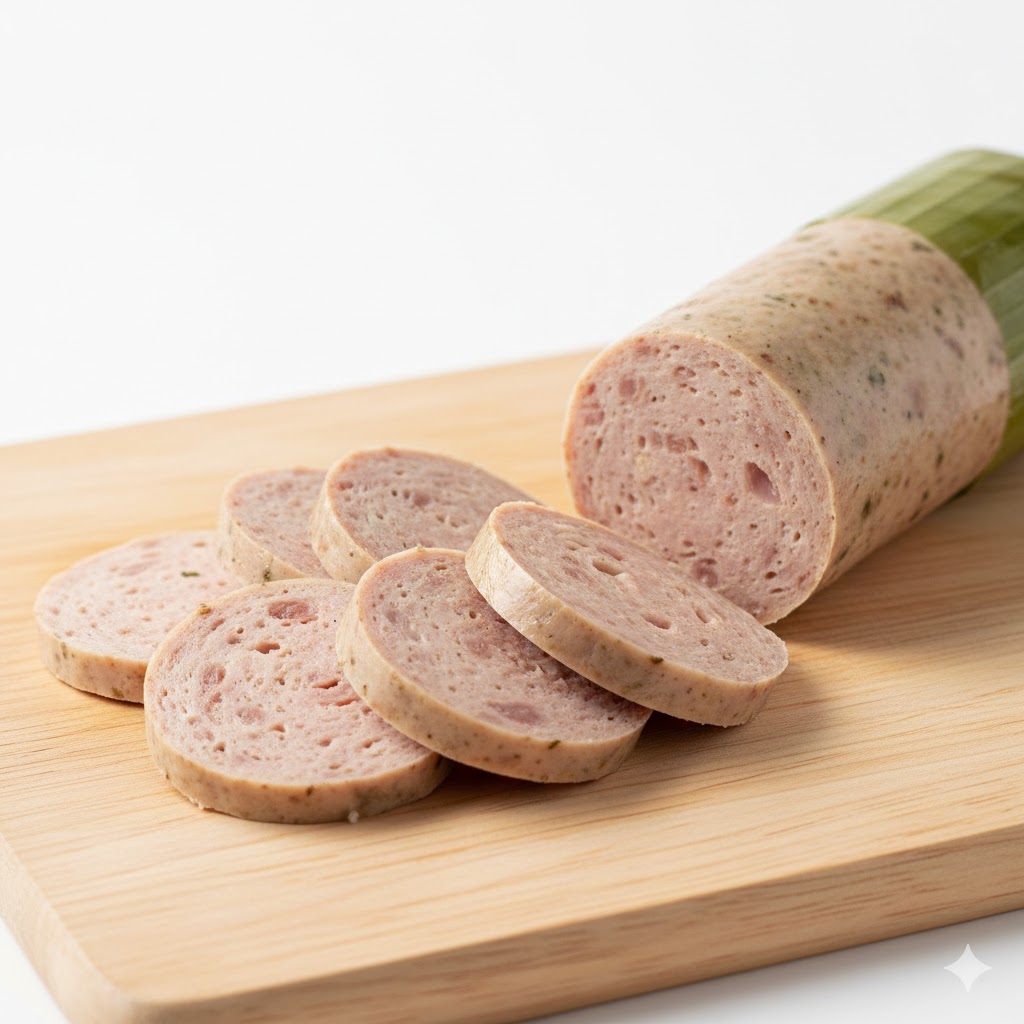
Pork Sausage (Yor)Pork Sausage (Yor) is a steamed pork sausage with a soft, fragrant profile. It is a reliable ingredient in Thai cooking because it can take on seasoning while still keeping a clear, satisfying character.It is especially useful when you want a protein that can carry strong Thai aromatics without feeling heavy.Selection & CharacteristicsChoose sausages that feel firm, smell clean, and have a balanced seasoning profile. Traditional Thai sausages should look well set and not overly greasy on the surface.Fresh pieces should feel lively and clean, with a scent that matches the ingredient rather than anything dull or sour.Flavor ProfileThe flavor is savory, aromatic, and often lightly sweet or fermented, which gives it a distinctive Thai character.That makes it easy to pair with chili, garlic, coconut, fish sauce, or fermented seasonings depending on the dish.Common UsesIt is commonly used in fried rice, salads, stir-fries, snacks, and breakfast plates.It works especially well in everyday cooking because it can be quick-cooked, simmered into broth, or finished with a hot pan.Storage & Preparation TipsKeep sausage chilled and sealed. Once opened, use it promptly or freeze portions so the seasoning stays bright.Prep it close to cooking time so the texture stays lively.Keep cut surfaces covered if the piece dries out quickly.Use gentle heat when you want the natural shape to stay intact.
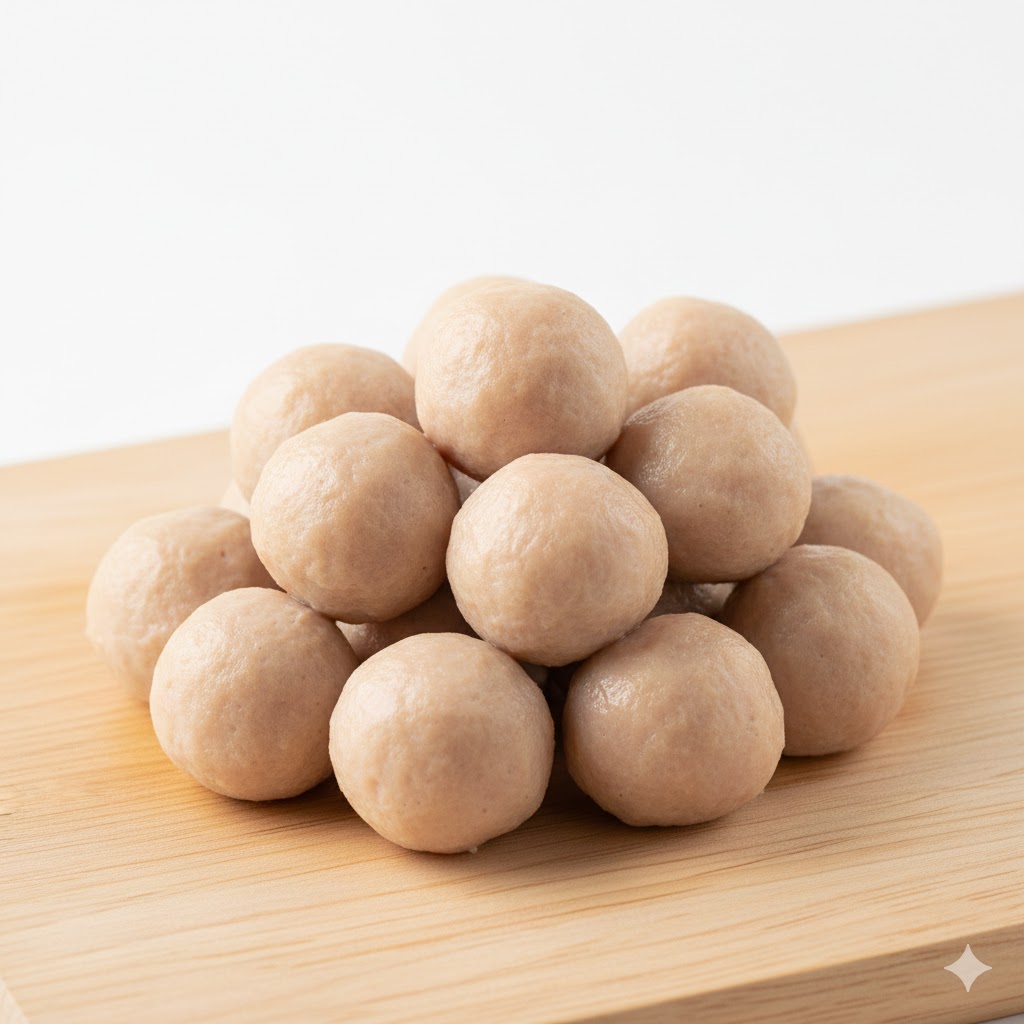
Pork MeatballsPork Meatballs are pork meatballs that are soft, savory, and easy to flavor. They are a reliable ingredient in Thai cooking because they can take on seasoning while still keeping a clear, satisfying character.They are especially useful when you want a protein that can carry strong Thai aromatics without feeling heavy.Selection & CharacteristicsChoose pork that looks fresh, pale pink, and evenly textured, with fat that is white rather than yellow. The best pieces smell clean and feel springy rather than soft.Fresh pieces should feel lively and clean, with a scent that matches the ingredient rather than anything dull or sour.Flavor ProfileThe flavor is savory, slightly sweet, and deeply comforting, especially when the fat renders and the edges brown. That aroma is one of the easiest ways to know dinner is on the way.That makes them easy to pair with chili, garlic, coconut, fish sauce, or fermented seasonings depending on the dish.Common UsesIt is commonly used in stir-fries, noodles, soups, sausages, and slow-cooked dishes.They work especially well in everyday cooking because they can be quick-cooked, simmered into broth, or finished with a hot pan.Storage & Preparation TipsKeep pork cold and cook or freeze it quickly after buying. If frozen, thaw in the refrigerator and avoid repeated temperature changes.Prep them close to cooking time so the texture stays lively.Keep cut surfaces covered if the pieces dry out quickly.Use gentle heat when you want the natural shapes to stay intact.
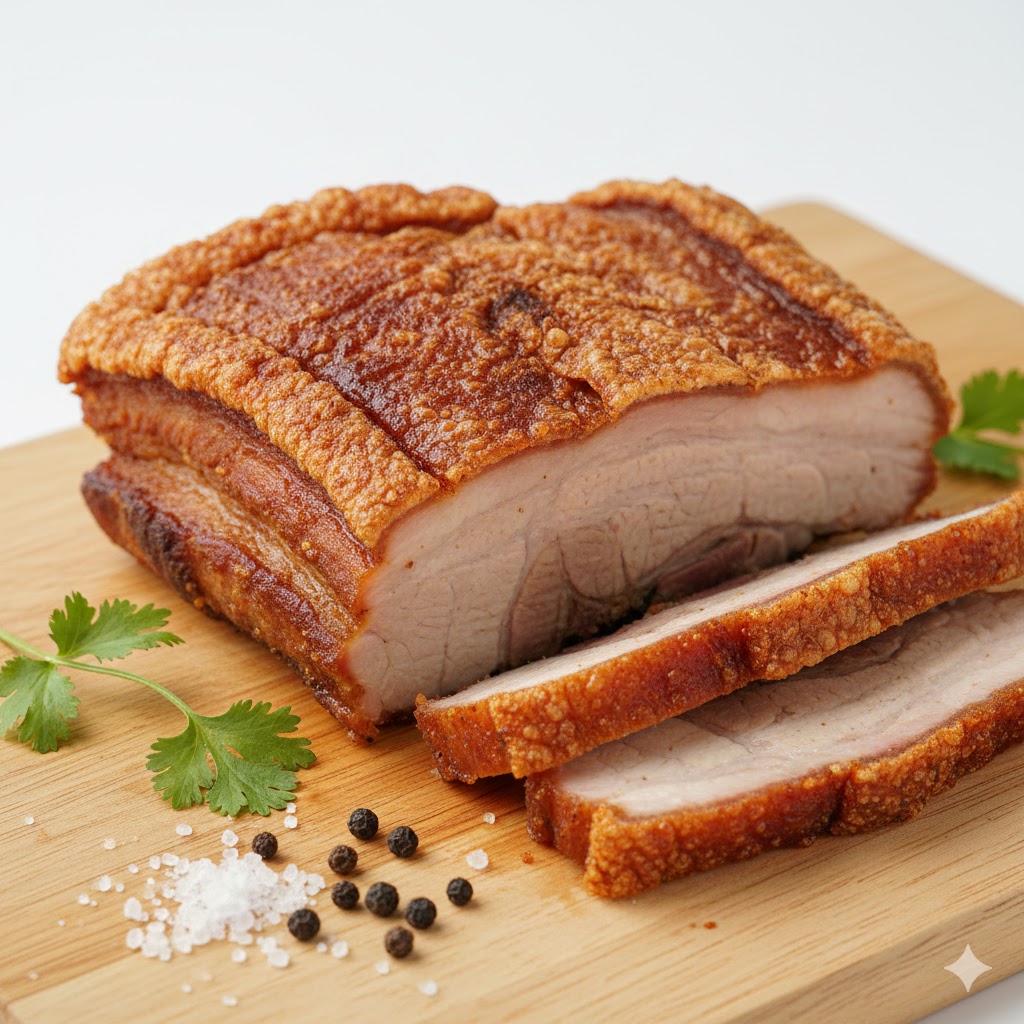
Crispy Pork (Moo Krob)Crispy Pork, known as """"Moo Krob"""" in Thai, is a beloved ingredient that brings a delightful crunch to a variety of dishes. This savory treat is made from pork belly that is boiled, dried, and then deep-fried to achieve its signature crispy texture. The result is a mouthwatering combination of tender meat and crackling skin that elevates any meal.Crispy Pork is not only a staple in Thai cuisine but has also won the hearts of food enthusiasts around the globe, making it a must-try for anyone looking to explore authentic Thai flavors.Preparation ProcessThe process of making Crispy Pork is an art in itself. After the pork belly is cooked and dried, it undergoes a careful frying process that transforms it into a crispy delight.This ingredient is not just about the crunch; it also carries the rich flavors of the seasonings used in its preparation. The deep-frying process enhances the natural umami of the pork, making it a versatile addition to various dishes.Flavor ProfileIn terms of flavor profile, Crispy Pork offers a savory and slightly salty taste with a hint of sweetness, complemented by its crunchy texture.The aroma is irresistible; the rich scent of frying pork fills the kitchen, enticing anyone nearby. This combination of taste and smell makes Crispy Pork a favorite in many households.Common UsesCrispy Pork is commonly used in a variety of Thai dishes, including:""""Khao Pad Moo Krob"""" (Crispy Pork Fried Rice)""""Pad Krapow Moo Krob"""" (Stir-Fried Basil with Crispy Pork)It can also be enjoyed as a topping for noodle dishes or served with rice and vegetables.Storage & Reheating TipsLook for pieces that are well-cooked with a golden-brown color when selecting Crispy PorkStore in an airtight container in the refrigerator to maintain crispnessReheat in an oven or air fryer to restore its crunch before serving
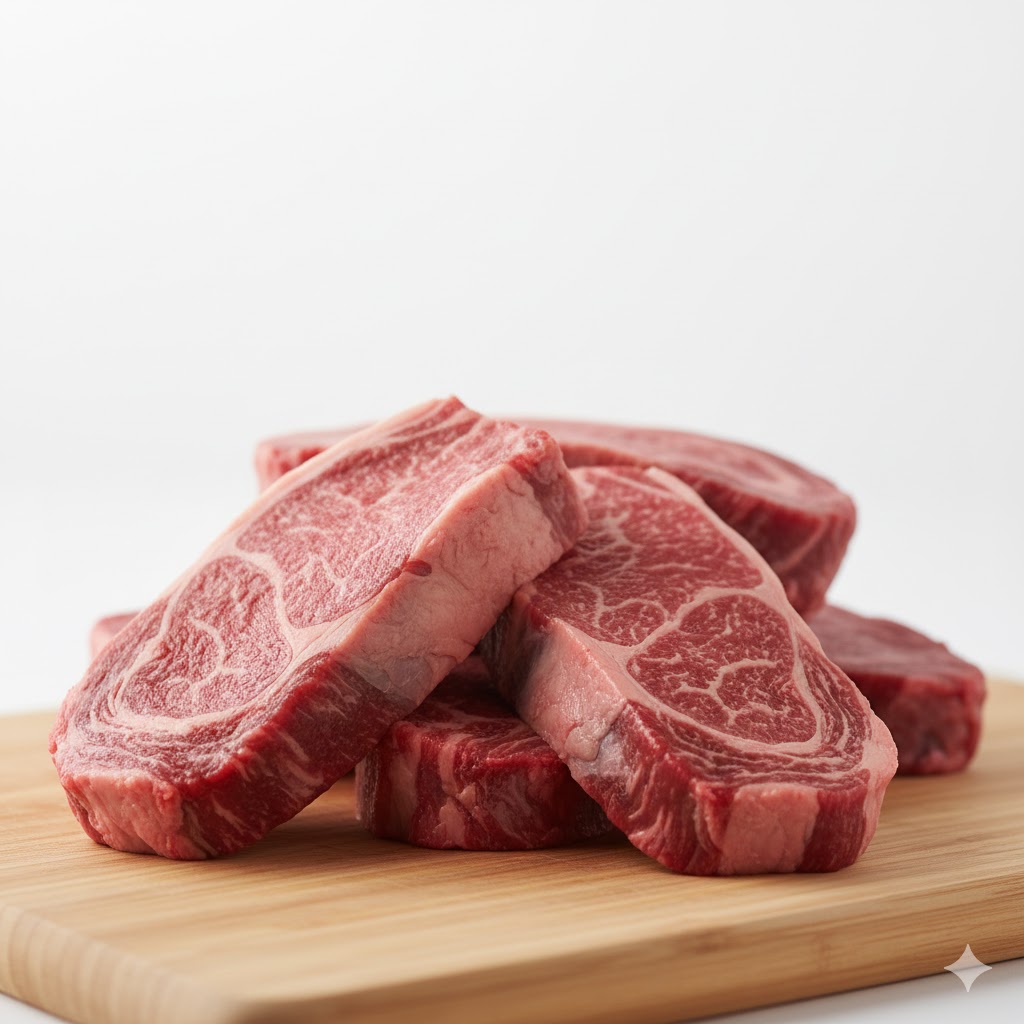
BeefBeef is a classic red meat cut with deep savory weight. It is a reliable ingredient in Thai cooking because it can take on seasoning while still keeping a clear, satisfying character.It is especially useful when you want a protein that can carry strong Thai aromatics without feeling heavy.Selection & CharacteristicsChoose cuts that look fresh, well-trimmed, and appropriately marbled for the dish. Good meat should smell clean, feel firm, and have color that matches the cut rather than looking dull or dry.Fresh pieces should feel lively and clean, with a scent that matches the ingredient rather than anything dull or sour.Flavor ProfileThe flavor is rich, savory, and satisfying, with enough body to stand up to strong Thai aromatics. When cooked well, it gives a deep aroma that makes the whole kitchen feel ready for a proper meal.That makes it easy to pair with chili, garlic, coconut, fish sauce, or fermented seasonings depending on the dish.Common UsesIt is commonly used in stir-fries, curries, braises, grilled dishes, and rice plates.It works especially well in everyday cooking because it can be quick-cooked, simmered into broth, or finished with a hot pan.Storage & Preparation TipsKeep chilled and use within a short time after purchase. Freeze portions you will not cook right away, and thaw them slowly in the refrigerator for the best texture.Prep it close to cooking time so the texture stays lively.Keep cut surfaces covered if the piece dries out quickly.Use gentle heat when you want the natural shape to stay intact.
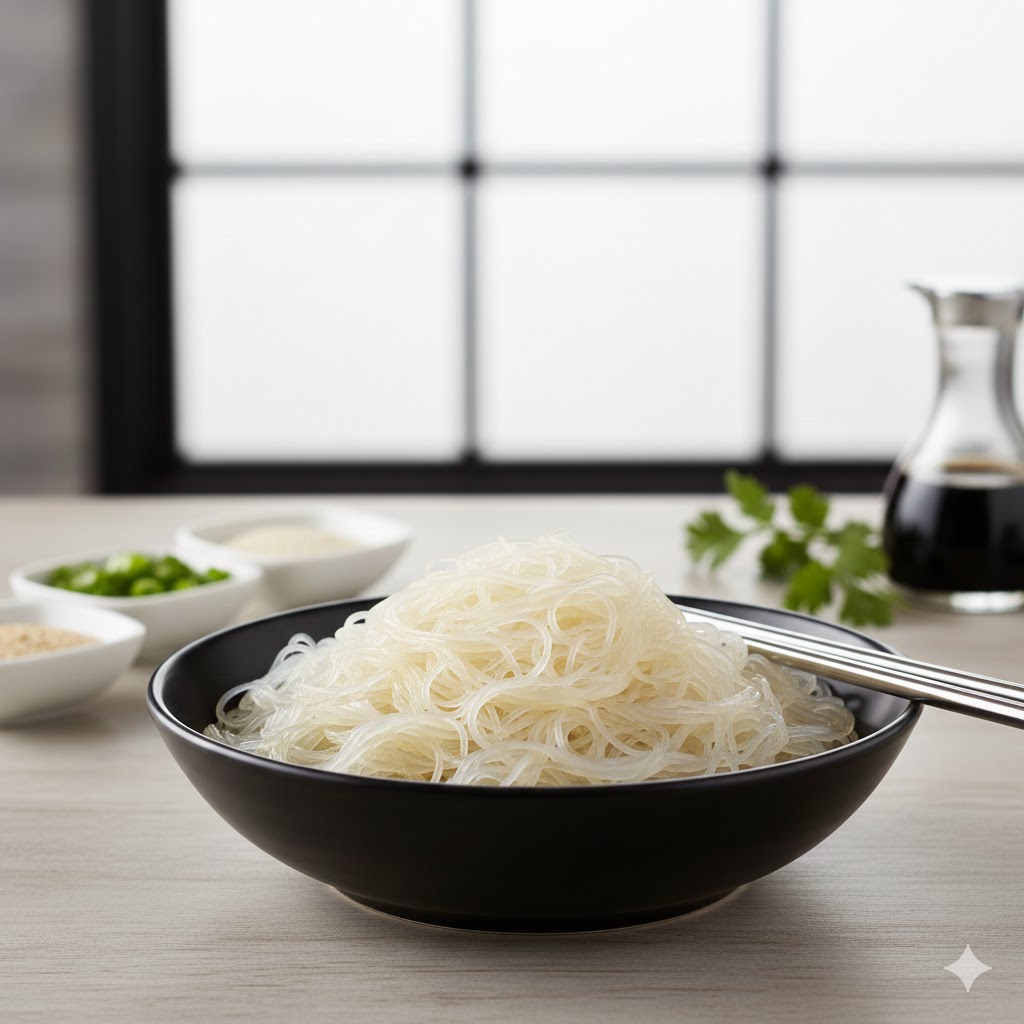
Glass Noodles (Wun Sen)Glass Noodles, called ""Wun Sen"" in Thai, are translucent, slippery noodles made from mung bean starch. Once cooked, they turn clear like glass - hence the name.They are perfect for Yam Wun Sen (Thai glass noodle salad) and absorb dressing while keeping their bouncy, springy texture.Use & CharacteristicsChoose tightly bundled bunches with intact strands and a slightly grayish color. They should feel firm and not crumbly.Soak in warm water for 5-10 minutes - never boil. Drain and add to the dish at the end of cooking. Use kitchen scissors to cut into manageable lengths.Flavor ProfileGlass noodles are essentially flavorless on their own - it is the texture and ability to absorb dressings that make them shine in Thai dishes.There is no real aroma. The role of glass noodles is to be a neutral canvas for the bold flavors around them.Common UsesGlass noodles are used in many Thai dishes, including:""Yam Wun Sen"" (Glass Noodle Salad with Shrimp & Pork)""Pad Wun Sen"" (Stir-fried Glass Noodles)""Goong Op Wun Sen"" (Baked Shrimp with Glass Noodles)They are also used in spring rolls and Thai-Chinese soups.Storage & Usage TipsStore dry in a sealed bag at room temperatureLast 1-2 years drySoak briefly - never overcook, or strands turn mushy
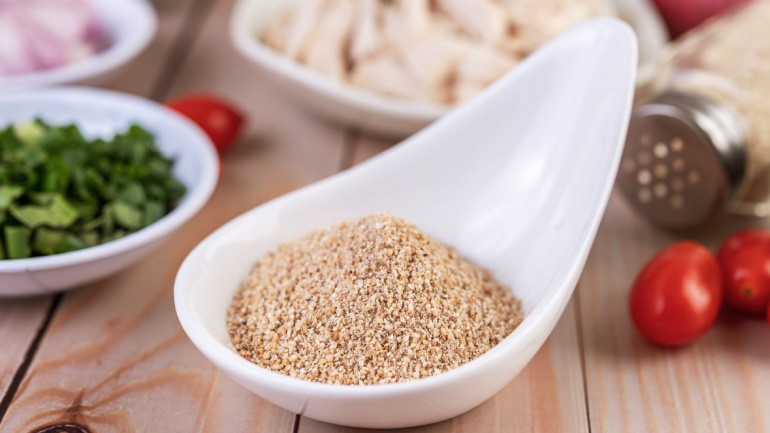
Toasted Rice Powder (Khao Khua)Toasted Rice Powder, called ""Khao Khua"" in Thai, is sticky rice that has been dry-toasted until deeply golden, then ground into a coarse powder. It is the secret weapon of Isan and Lao cooking.It adds a nutty crunch and warm earthy aroma that defines the iconic flavor of larb, nam tok, and northeastern-style salads.Preparation ProcessMade by toasting raw sticky rice in a dry pan over medium heat, stirring constantly until deep golden brown, then grinding coarsely in a mortar or blender.Toasting is critical - undertoasted rice is bland, while burnt rice is bitter. The right shade is somewhere between honey and dark caramel.Flavor ProfileThe flavor is warm, nutty, and lightly smoky with deep toasted-grain richness. It adds body and crunch to whatever it is sprinkled on.The aroma when freshly ground is intoxicating - warm, sweet, and almost popcorn-like, with a hint of caramel.Common UsesToasted rice powder is essential in many Isan dishes, including:""Larb"" (Spicy Minced Meat Salad, the defining nutty texture)""Nam Tok"" (Grilled Beef Salad)""Tom Saep"" (Spicy Sour Bone Soup)It is also pounded into Isan-style chili pastes and sprinkled on grilled meats.Storage & Usage TipsStore airtight, away from moisture, for up to 1 monthToast in small batches and grind fresh for peak flavorUse generously - it is one of the defining ingredients of Isan cuisine
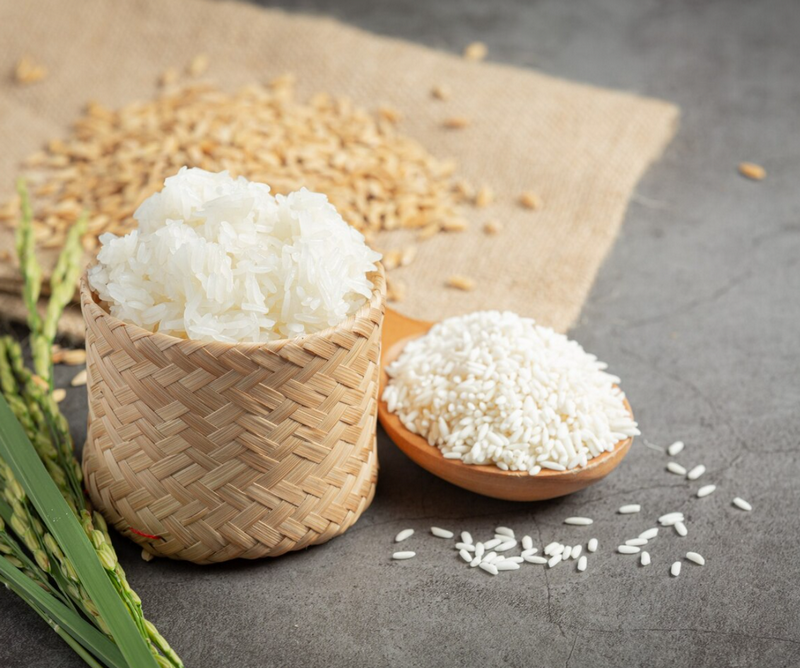
Sticky Rice (Khao Niao)Sticky Rice, called ""Khao Niao"" in Thai, is the chewy, glutinous rice that defines northern and northeastern Thai cuisine. It is meant to be eaten with the hands, pinched into small balls and used to scoop up bold flavors.Despite its name, sticky rice contains no gluten - the ""glutinous"" refers to its sticky texture from a high content of amylopectin starch.Preparation ProcessSticky rice must be soaked in cold water for at least 4 hours, ideally overnight, before steaming. Soaking is non-negotiable for proper texture.Steam over boiling water in a bamboo basket for 25-30 minutes - never boil it like jasmine rice. The result is firm yet chewy grains that stick together when pinched.Flavor ProfileThe flavor is gently sweet, chewy, and faintly nutty. It is more substantial than jasmine rice and pairs perfectly with the bold flavors of Isan and Lao cooking.The aroma when steaming is sweet and starchy with subtle floral notes - a comforting smell that signals an Isan-style meal is on the way.Common UsesSticky rice is essential in many regional Thai dishes, including:""Khao Niao Larb"" (With Spicy Minced Salad)""Khao Niao Som Tum"" (With Green Papaya Salad)""Khao Niao Mamuang"" (Sticky Rice with Mango)It is also the base for many traditional Thai sticky rice desserts.Storage & Usage TipsStore dry grains airtight in a cool, dry place for up to 1 yearAlways soak 4+ hours before steamingKeep cooked sticky rice warm in a bamboo container - never refrigerate hot rice or it hardens
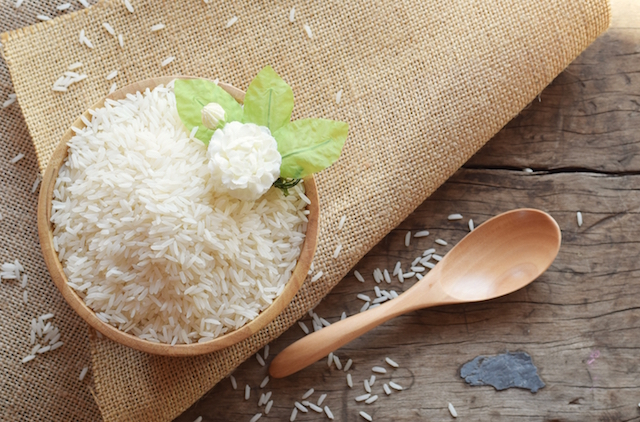
Jasmine Rice (Khao Hom Mali)Jasmine Rice, called ""Khao Hom Mali"" in Thai, is the long-grain, fragrant rice that defines Thai meals. Its delicate floral aroma and soft, slightly sticky texture make it the everyday rice of choice across Thailand.Grown mainly in northeastern Thailand, true jasmine rice is harvested only once a year and aged briefly before milling - a process that develops its signature pandan-like fragrance.Selection & CharacteristicsChoose long, slender, translucent grains with a fresh, slightly sweet aroma. Look for ""Hom Mali"" or ""Thai Hom Mali"" on the label - these are protected origin labels.Rinse 2-3 times in cold water until the water runs clearer, then cook with a 1:1.25 rice-to-water ratio. Let rest covered for 10 minutes after cooking before fluffing.Flavor ProfileThe flavor is mildly sweet with a subtle nutty character and a soft, fluffy bite that holds shape on the spoon. It carries strong Thai sauces and curries without competing.The aroma when cooking is iconic - sweetly floral with hints of pandan and fresh popcorn, the smell of a Thai household kitchen.Common UsesJasmine rice is the foundation of nearly every Thai meal, including:""Khao Pad"" (Thai Fried Rice)""Pad Krapow Khao Khai Dao"" (Holy Basil Stir-Fry over Rice)""Gaeng Keow Wan"" (Green Curry served over rice)Day-old jasmine rice is also the foundation for the best Thai fried rice.Storage & Usage TipsStore in an airtight container in a cool, dry pantry for up to 1 yearCool freshly cooked rice within 1 hour and refrigerateDay-old chilled rice fries up best - drier grains stay separate
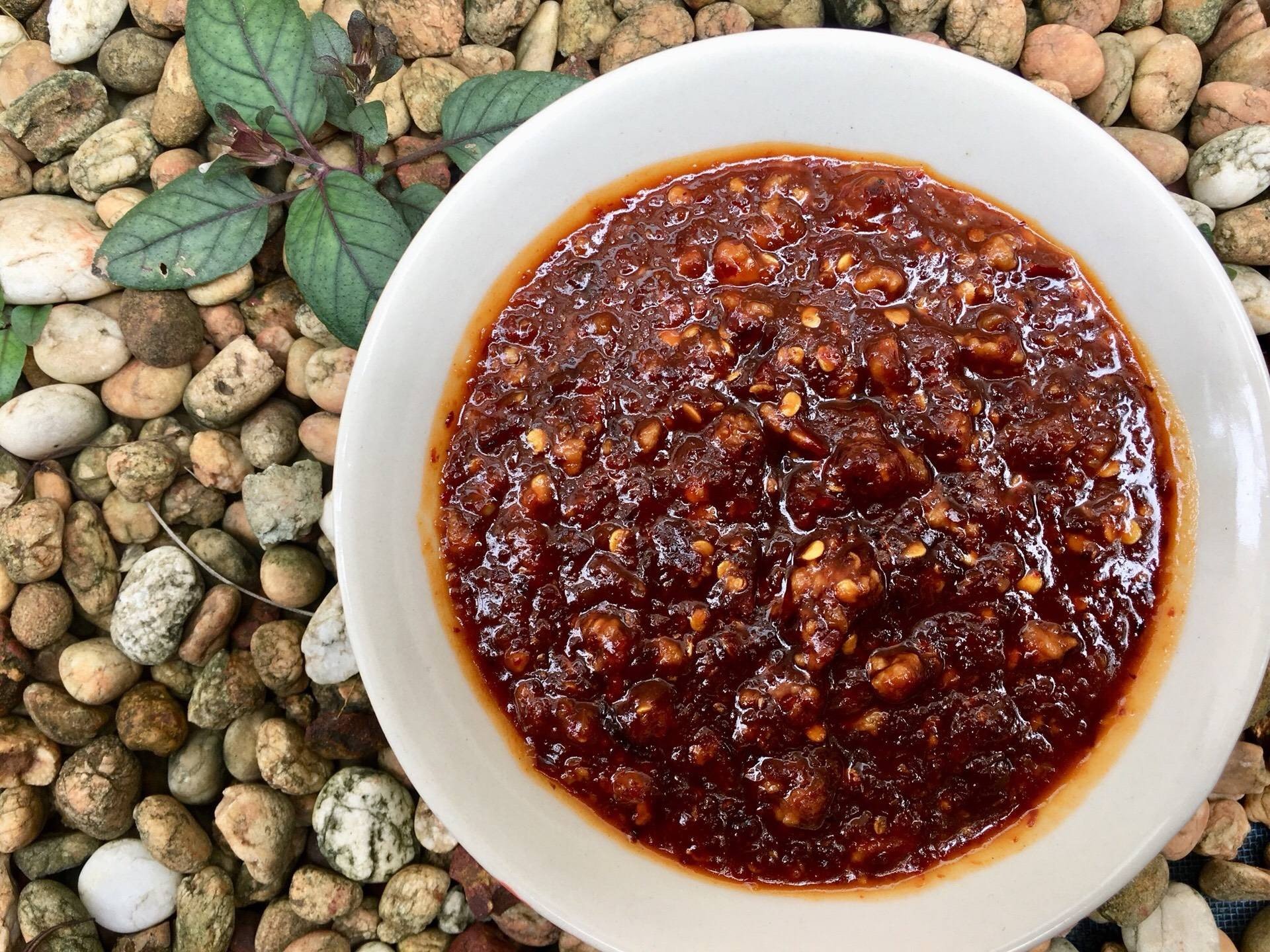
Roasted Curry PasteRoasted Curry Paste is a roasted curry paste with smoky, deep flavor. It is valued in Thai kitchens for the way it brings balance, depth, and a clear purpose to the dish without needing much extra explanation.It is especially useful when you want a sauce or paste that can make the whole dish feel more complete with just a small amount.Selection & CharacteristicsChoose curry pastes that smell fresh and aromatic, not stale. The color should match the style of curry and the paste should look smooth and well worked.Fresh, well-kept sauces and pastes should smell lively and match their intended role, whether they are meant to be sharp, smoky, sweet, or deeply savory.Flavor ProfileThe flavor is the heart of the curry: chili, herbs, roots, and spices coming together in a concentrated base that blooms beautifully in coconut milk or stock.A roasted curry paste with smoky, deep flavor. That makes it easy to pair with noodles, rice, grilled meat, seafood, tofu, or vegetables depending on the dish.Common UsesIt is commonly used as the base for curries, braised dishes, marinades, and rich noodle bowls.In everyday Thai cooking, these seasonings are often added near the end or used as the base layer that the rest of the dish grows from.Storage & Preparation TipsStore in a tightly sealed container and refrigerate after opening. Freezing small portions works well when you want quick curry nights.Use a clean spoon every time to keep the jar fresh.Stir or shake before using if the sauce naturally separates.Bloom pastes in oil or coconut cream when you want the aroma to open fully.